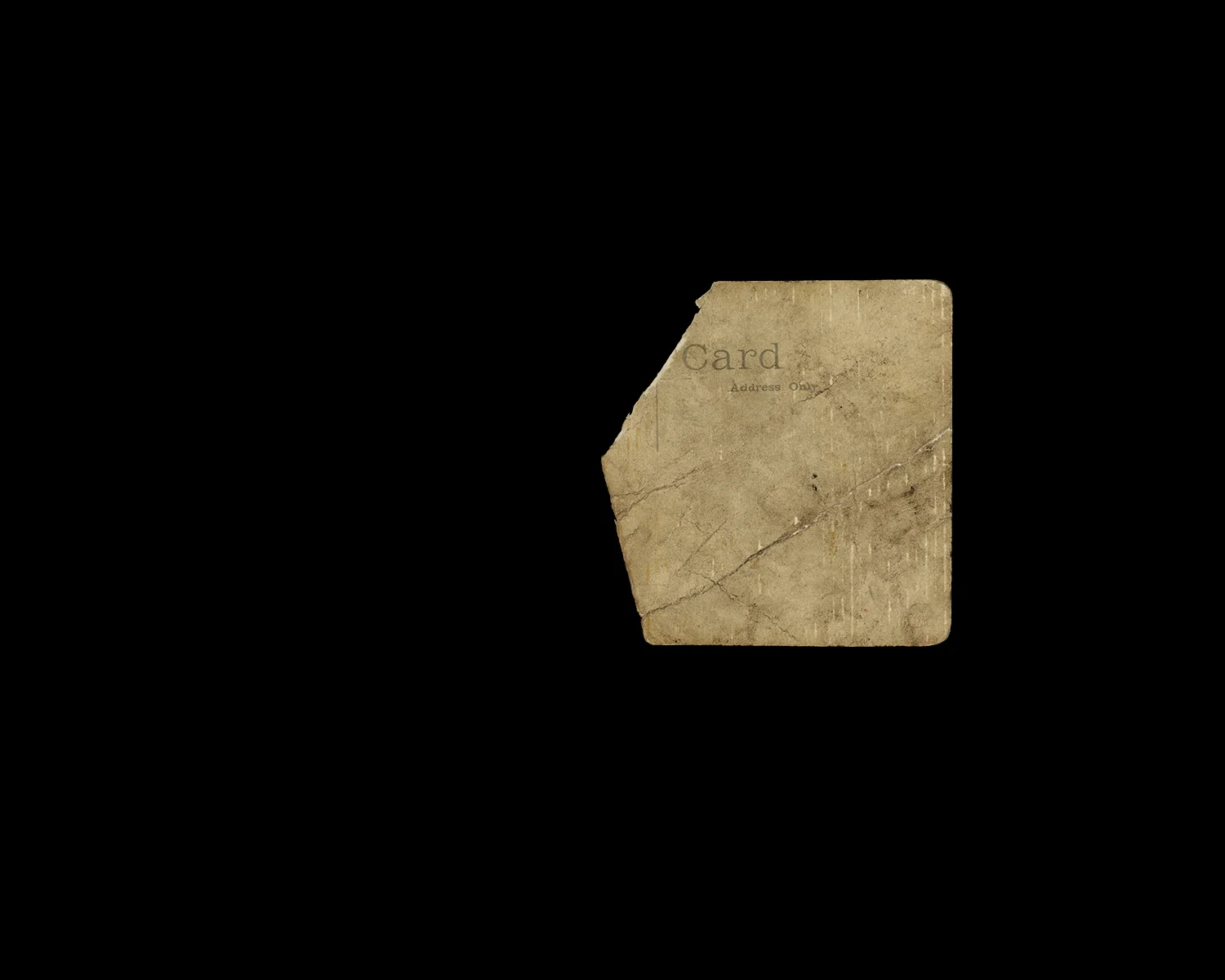
post card
30" x 24"
archival inkjet print
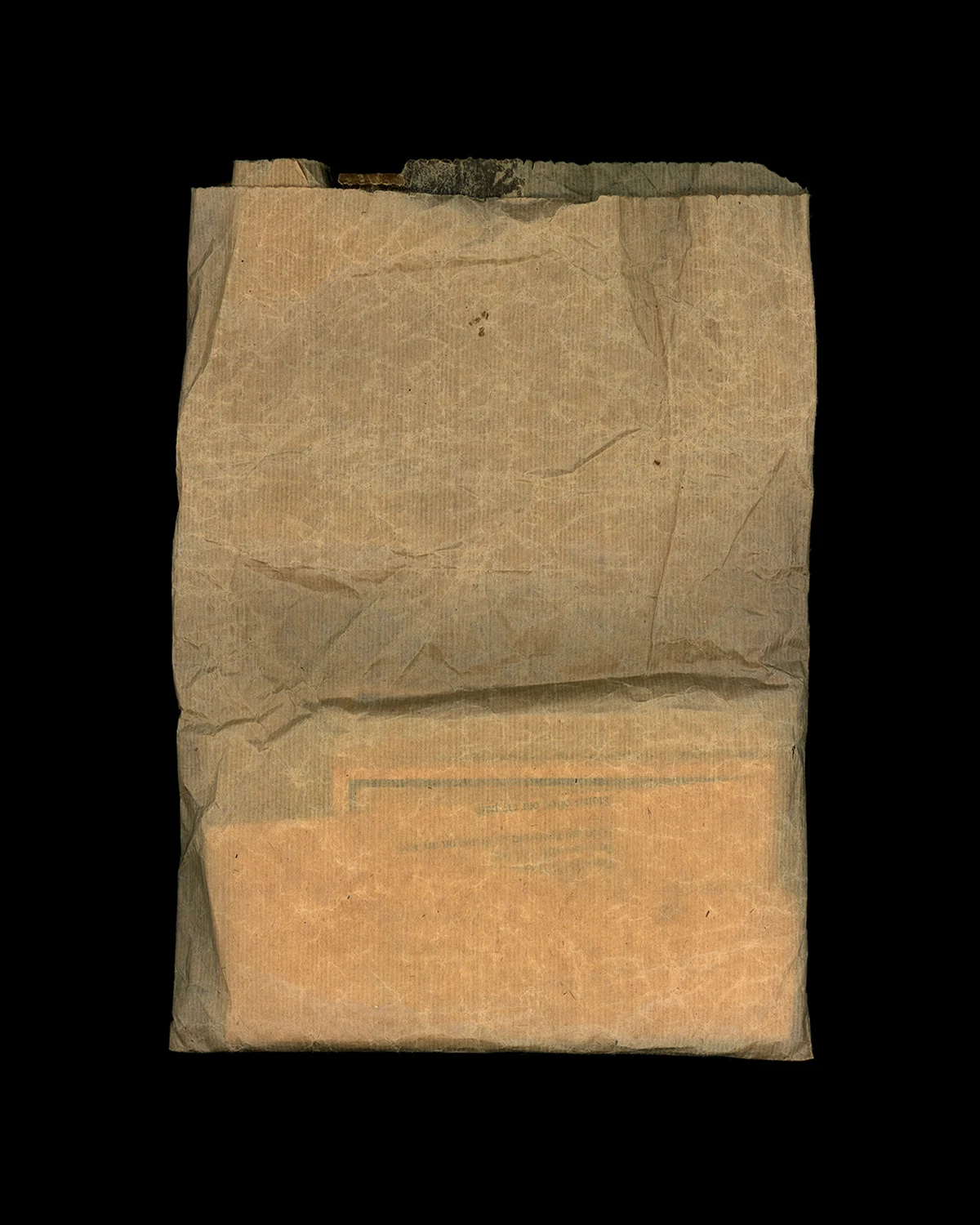
paper bag
24" x 30"
archival inkjet print
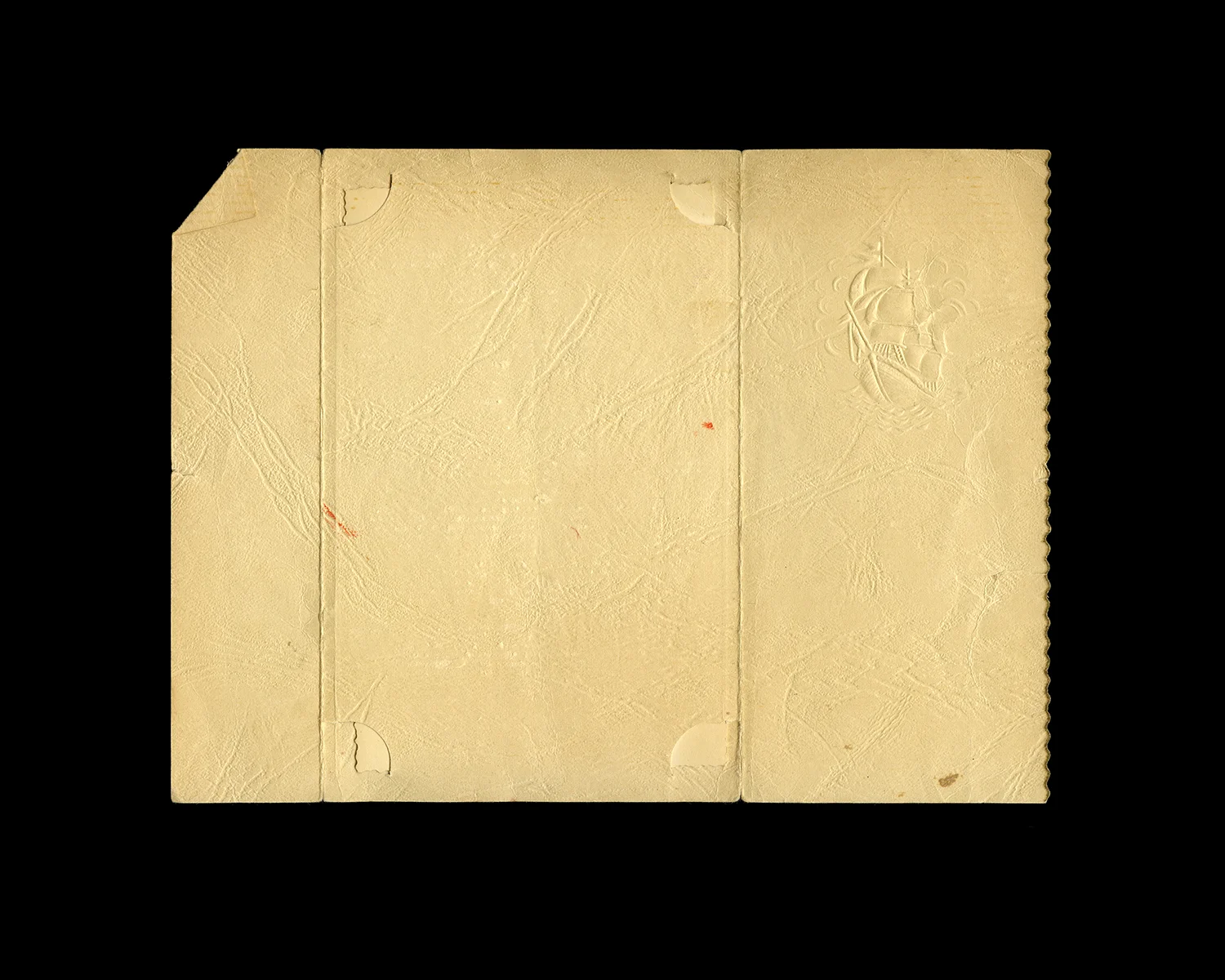
ship
24" x 30"
archival inkjet print
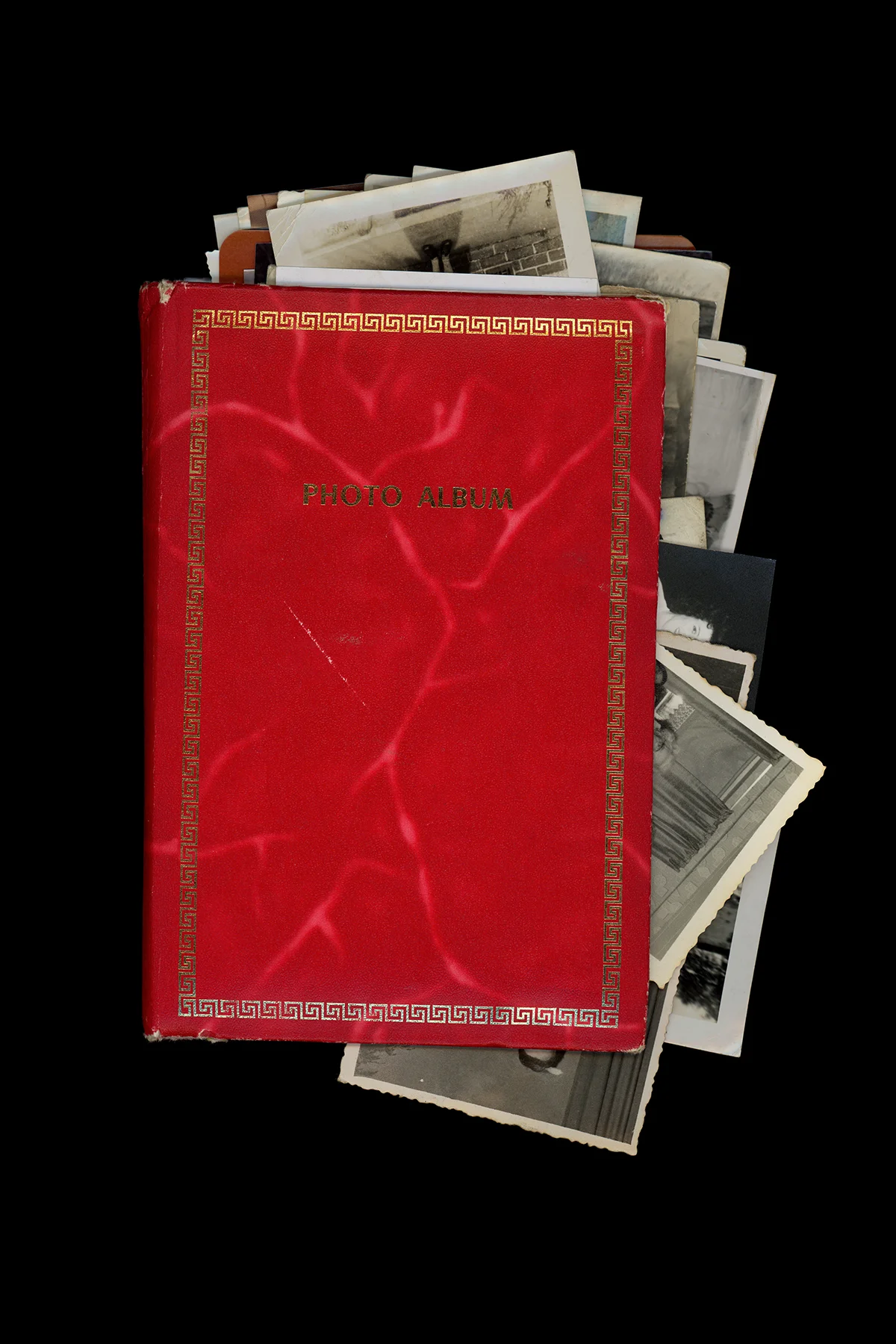
photo album
40" x 60"
archival inkjet print
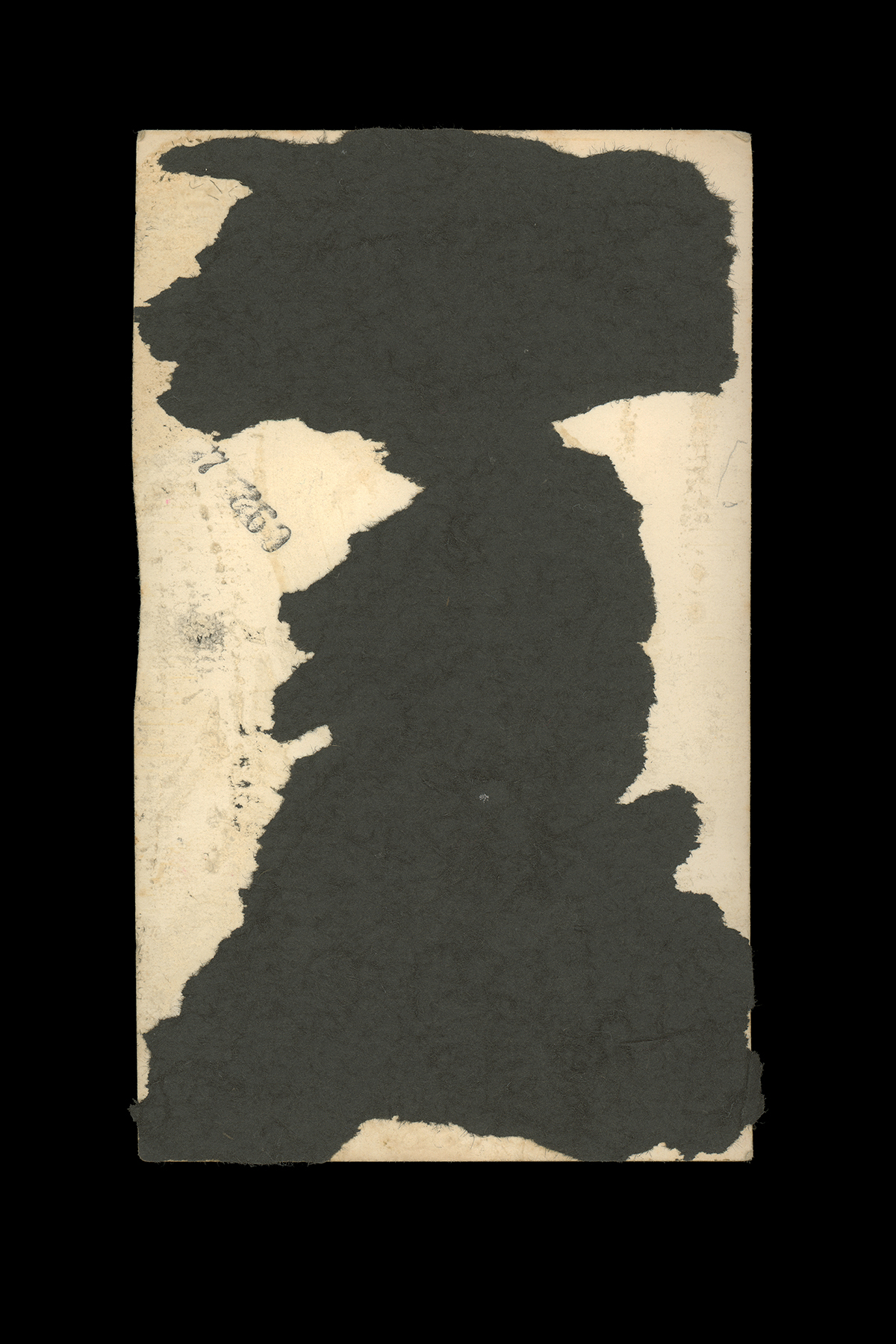
back no. one
24" x 36"
archival inkjet print
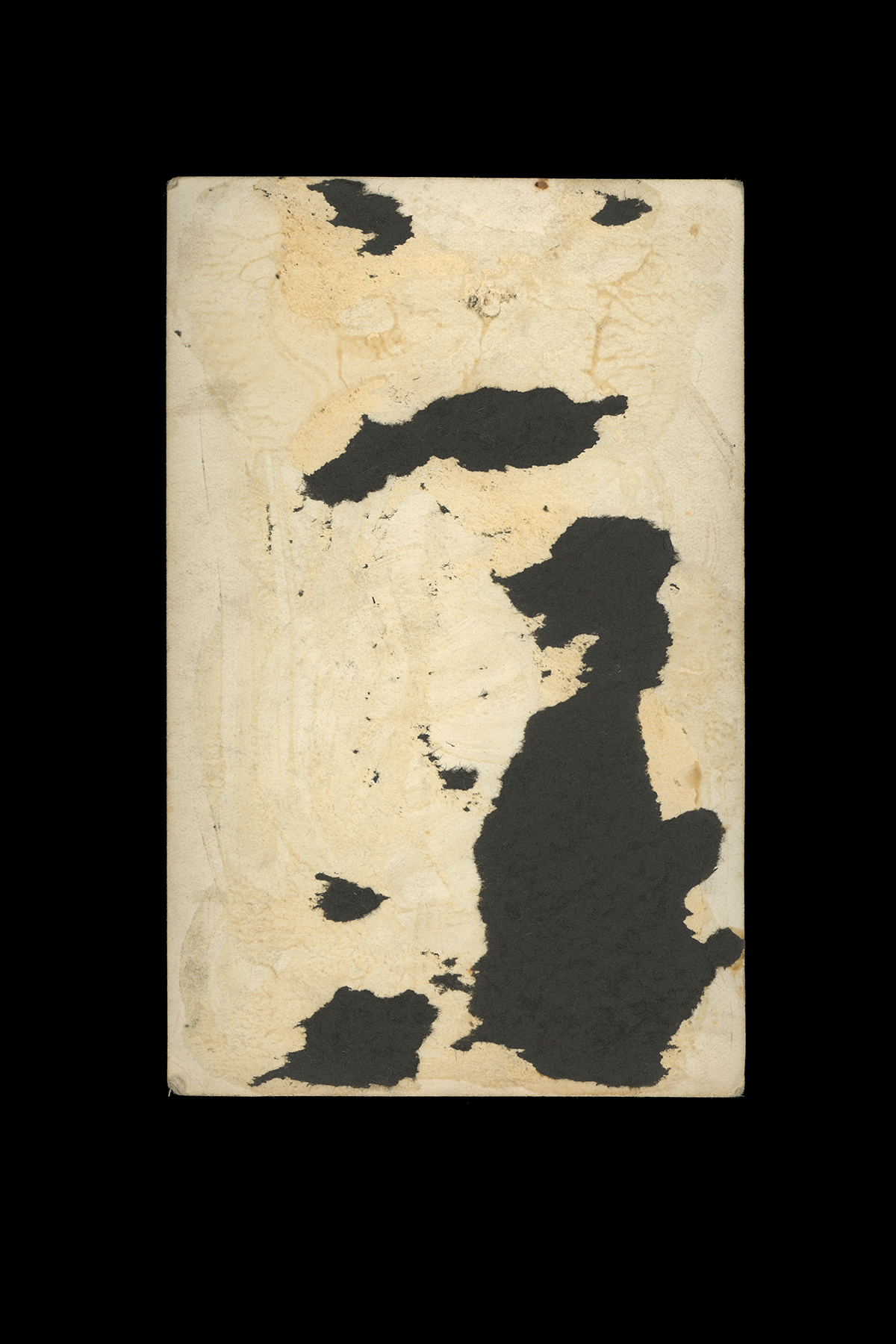
back no. two
24" x 36"
archival inkjet print
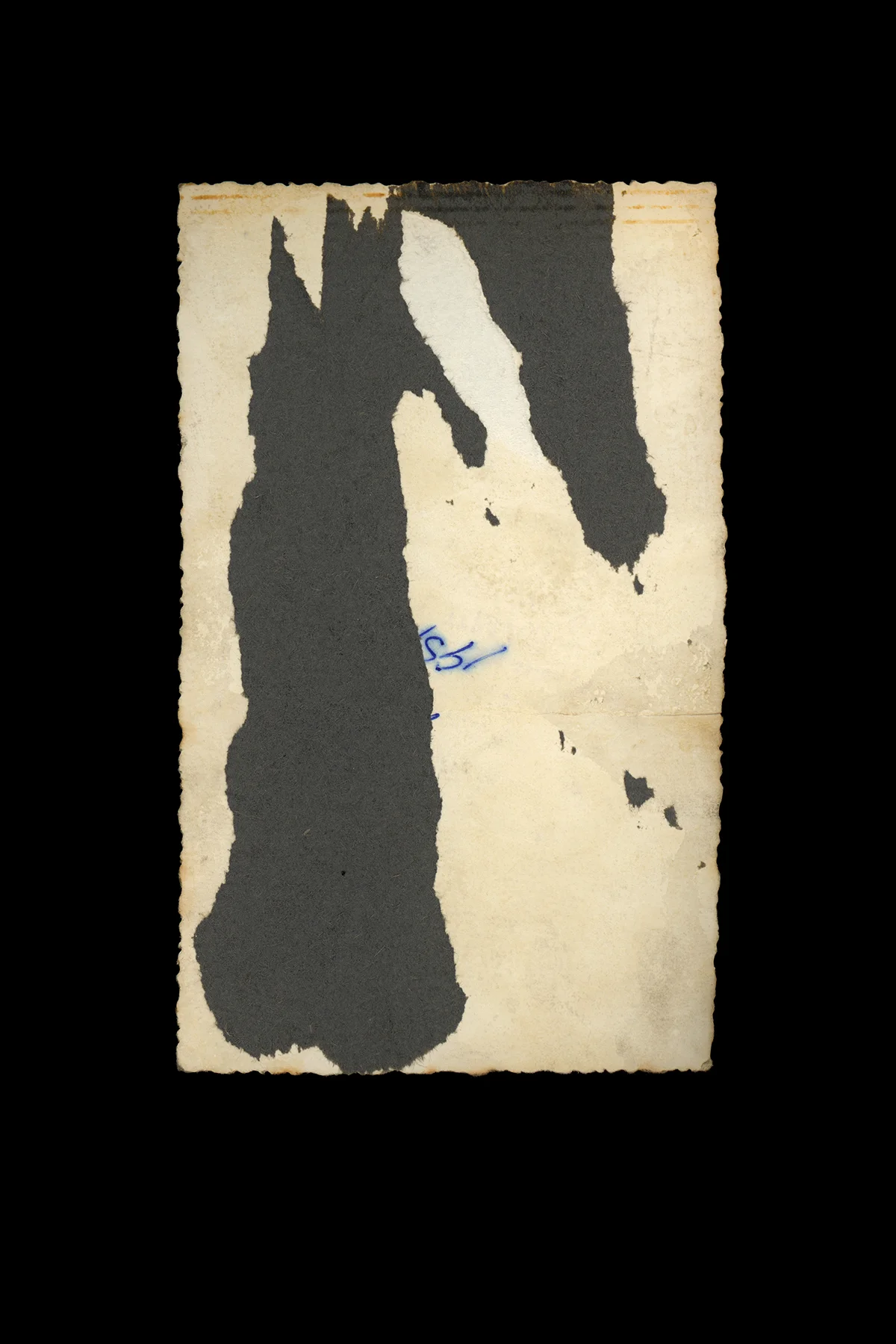
back no. five
24" x 36"
archival inkjet print
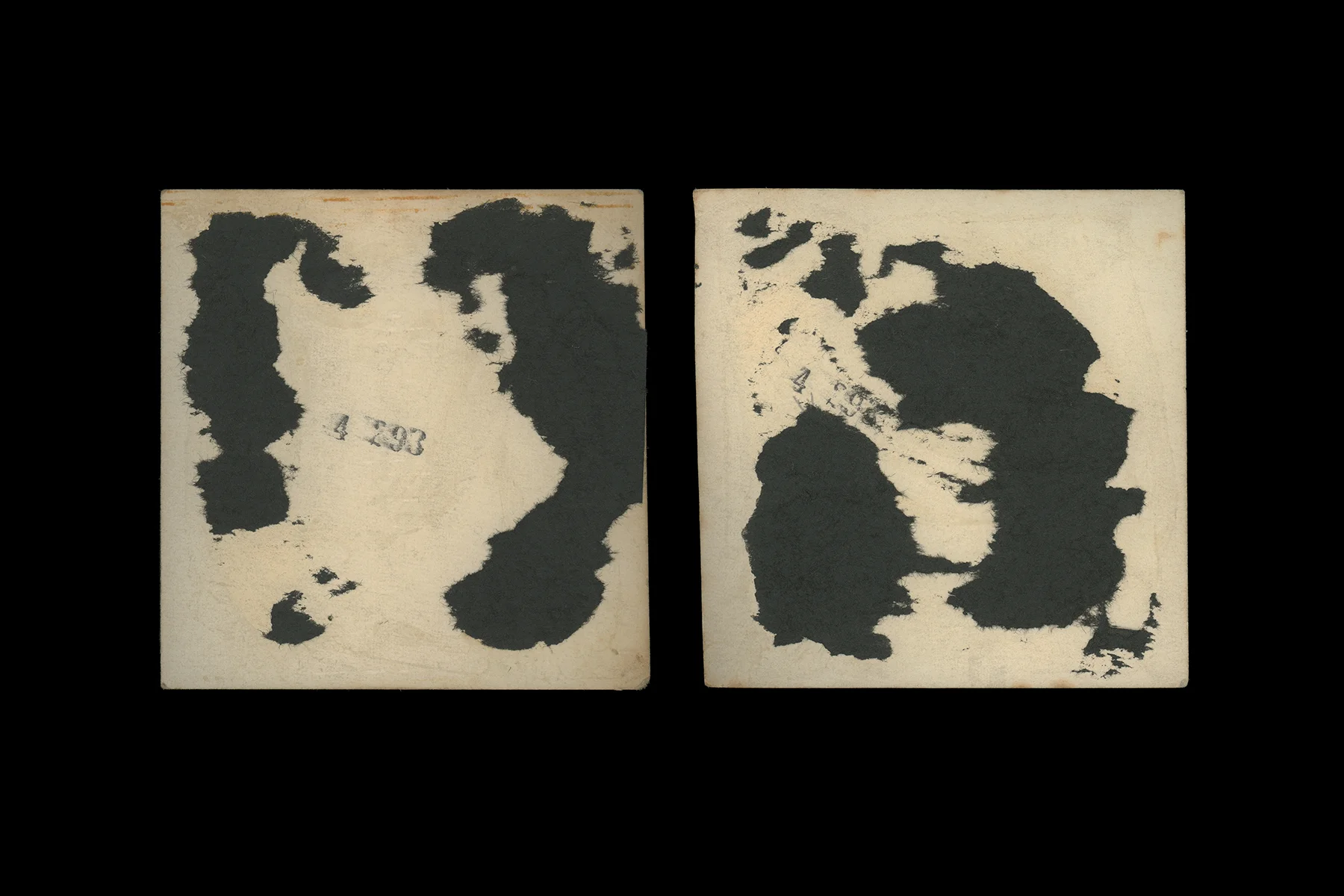
back no. three & back no. four
36" x 24"
archival inkjet print
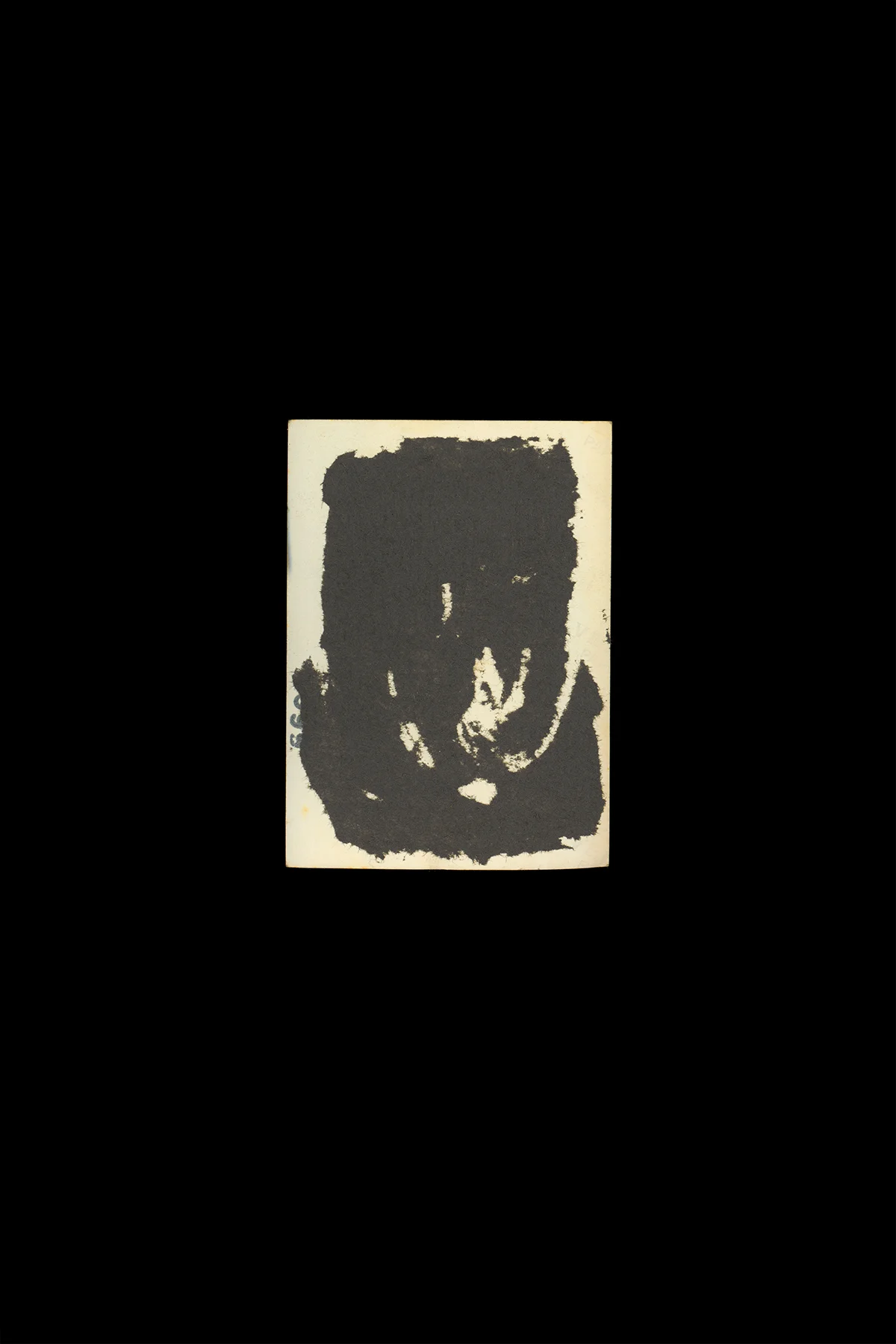
back no. six
24" x 36"
archival inkjet print
tuché
2015
Photographs give us insight into the past and remind us of our own mortality within the present. The sentimentality that humans feel towards personal photographs is shared yet differentiated. These photographic artifacts are important to me as vessels of memories left behind by my extended family, but others are unable to share my personal sentiments. We are lucky to have similar genealogies that are embodied within our objects of memory.
The 6 snapshots were previously adhered to black pages of a lost family album, an heirloom that had been passed down through generations from my great-grandmother in Scotland. The snapshots were added to a red photo album, loosely inserted between the already filled pages as if they were stories passed from one generation to the next. The markings left behind when these pictures were torn from the black pages of the photo album hide clues to their past life, covering different inscriptions that once gave context to the portraits of my family that are fixed on the other side. We are veiled from meeting the gaze of the subject in the photograph.
Jacques Lacan formulated three principal categories in the structure of the human psyche; the Imaginary, the Real, and the Symbolic. He uses the term Tuché to describe an encounter with the Real, or more specifically, the encounter that exceeds signification that may have been missed, which results in trauma. For instance, the missed opportunity that manifests itself in a dream. It is the repetition of a desire that was realized after devastation. These snapshots are analogous objects that have experienced trauma, a forced separation from their original collection.
The tangible quality of these prints simulates a metaphor of contingent memory. These images give proof to the objects existence, but are only a referent. With advancements in digital technology and archiving, the act of holding a photograph as an object of desire is falling into obsolescence. The original photographs remain in Scotland.
All content © K. Nakaska, 2015